About the project
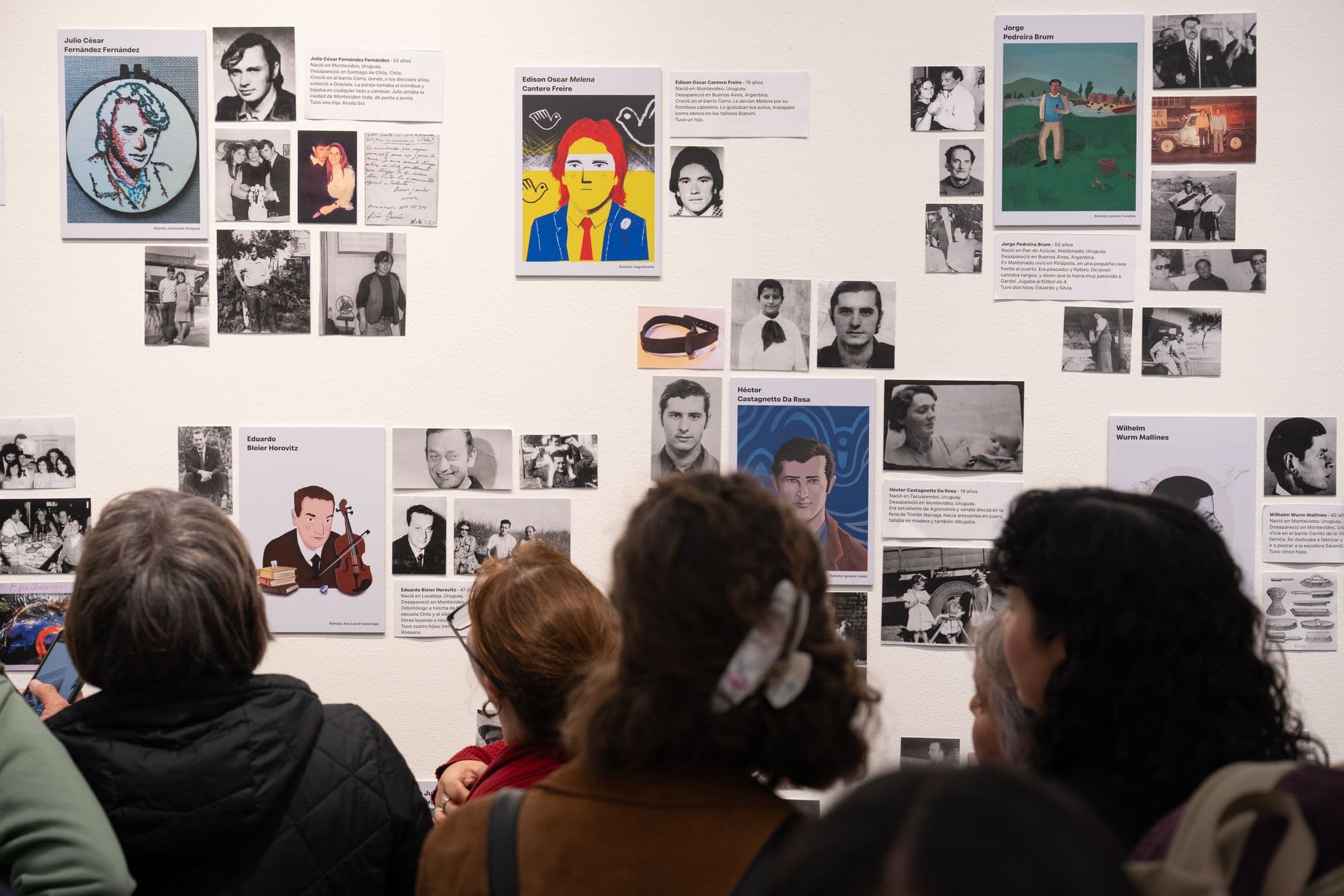
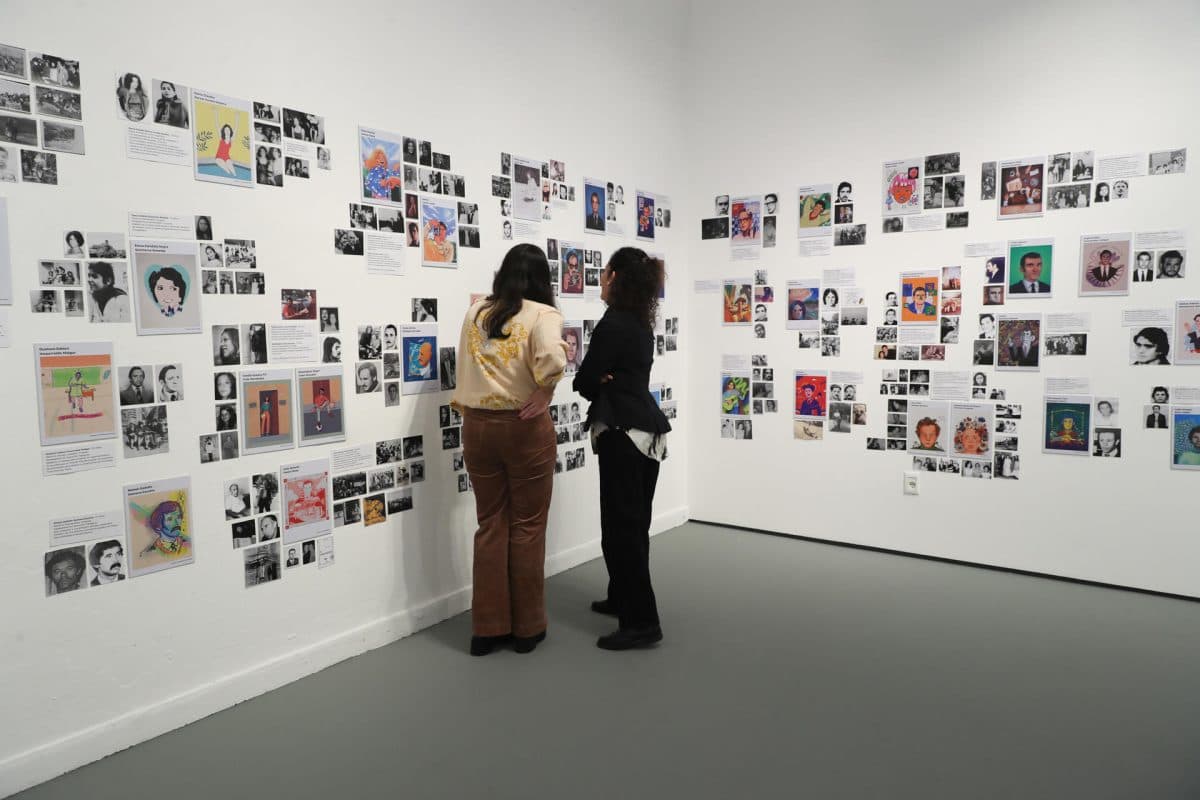
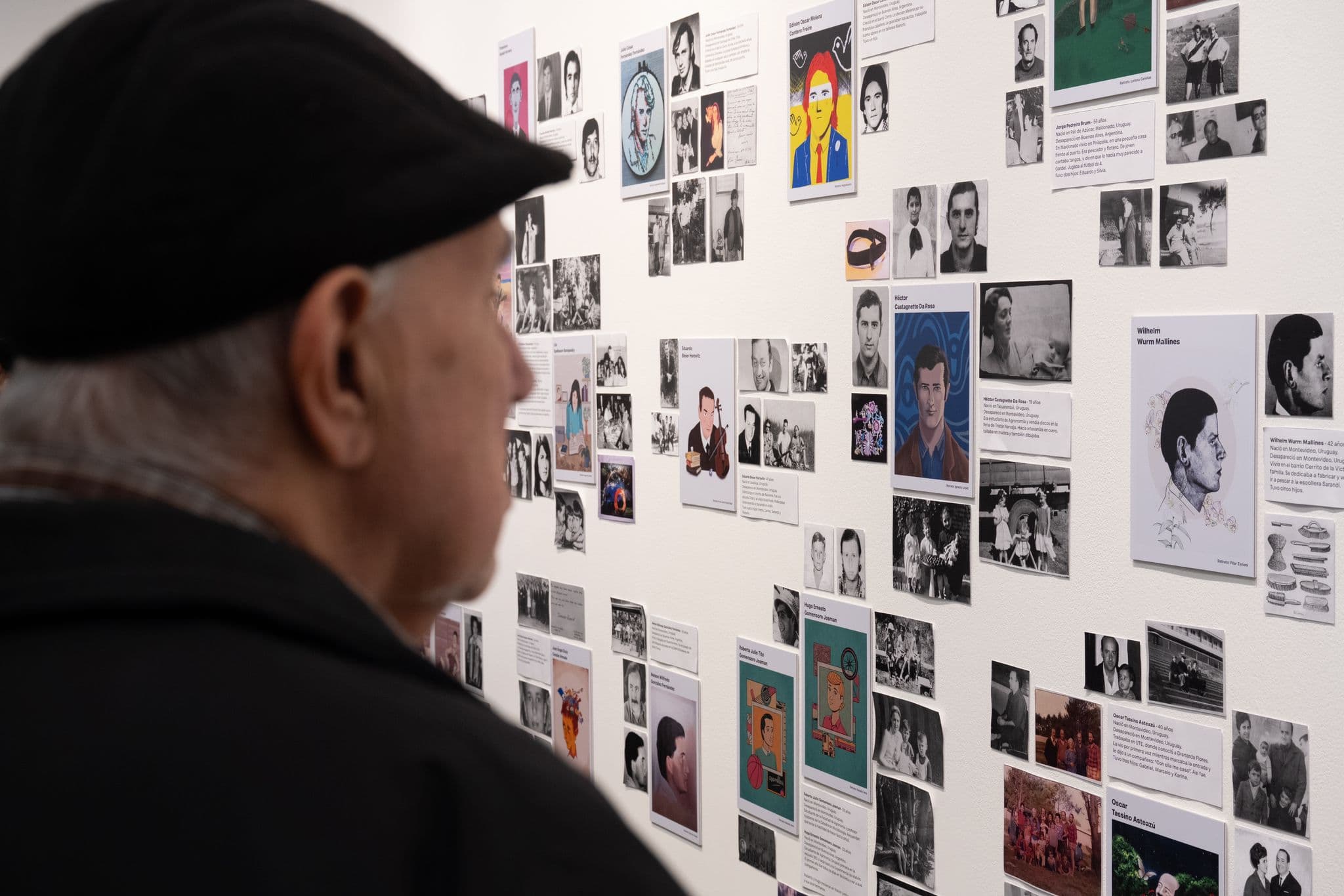
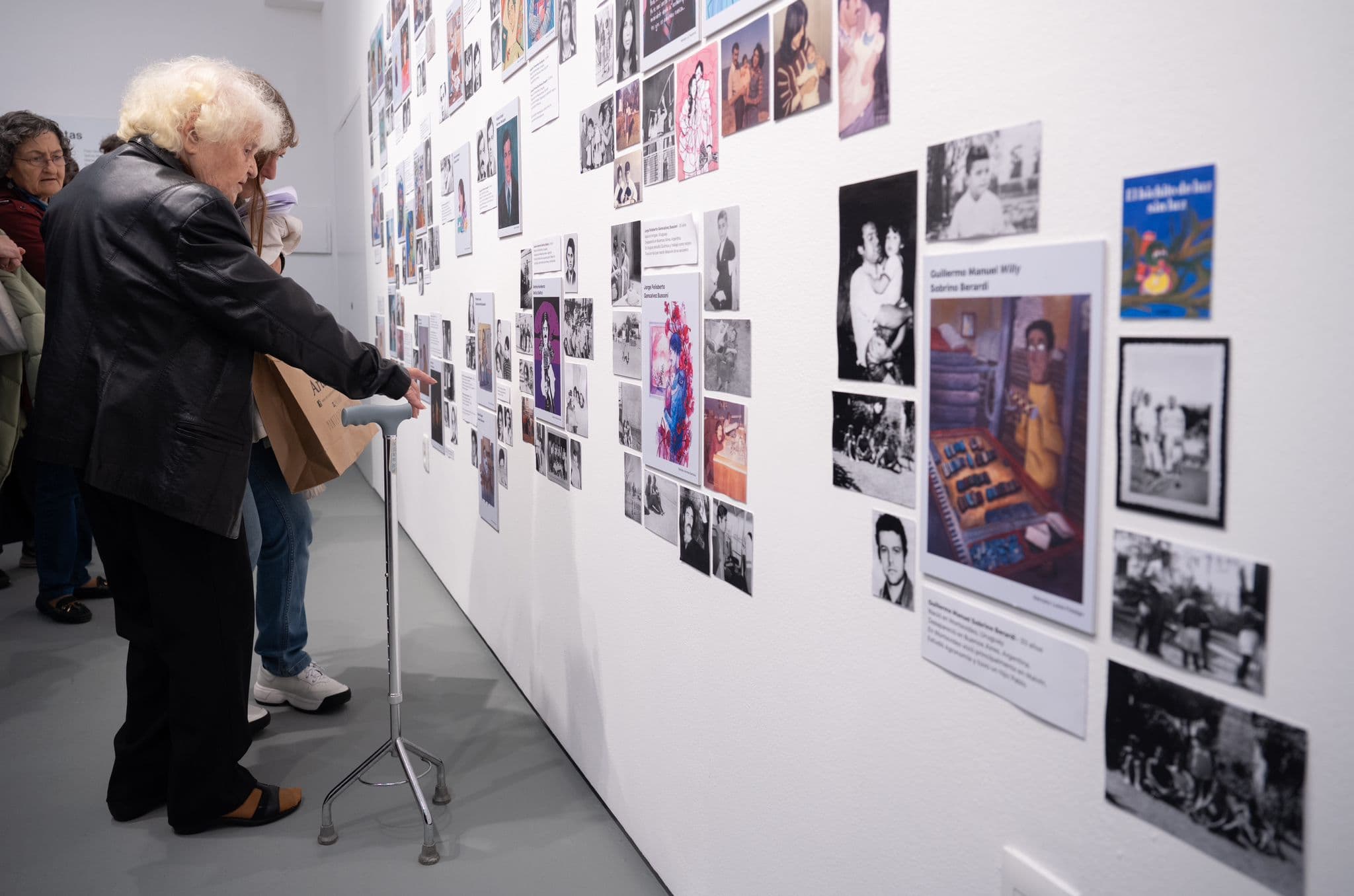
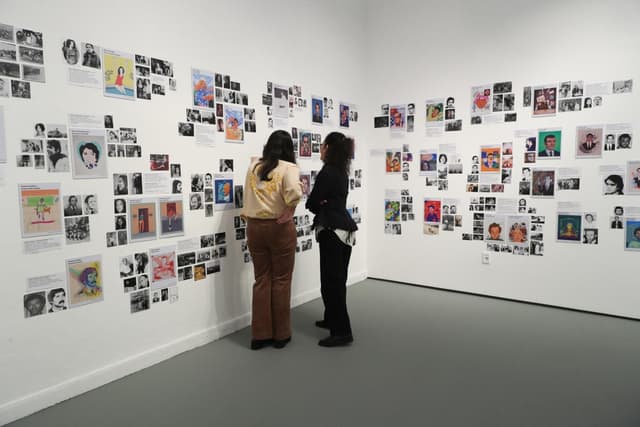
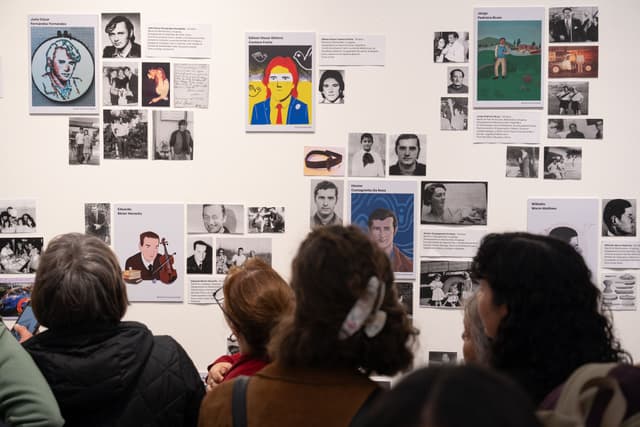
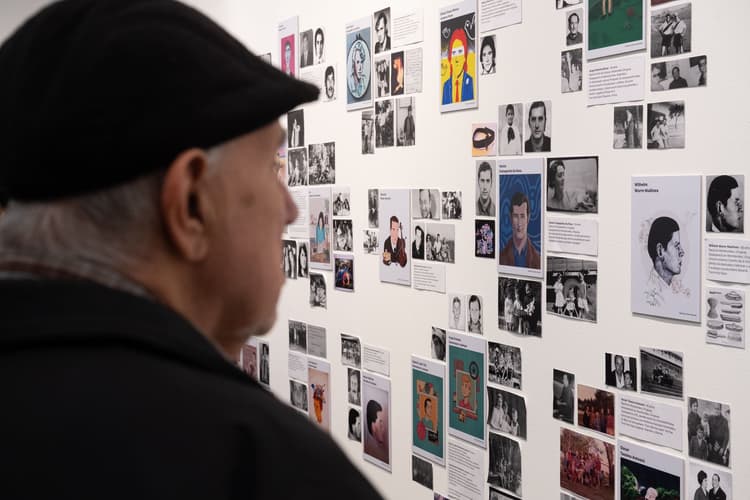
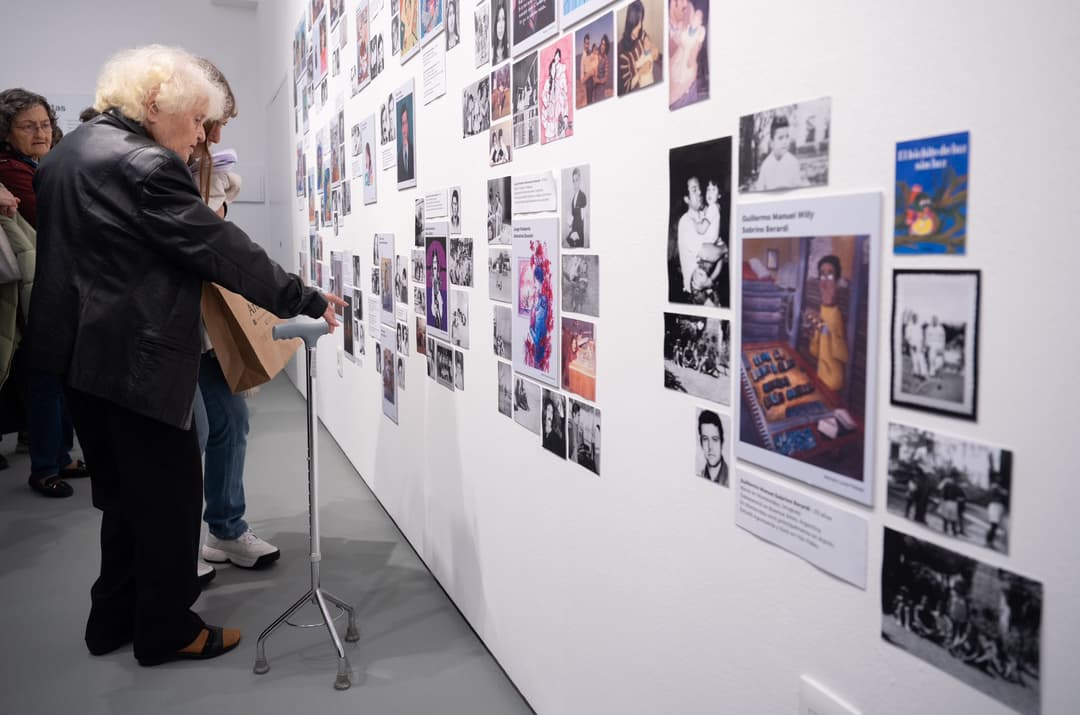
197 illustrated stories is a project that seeks to share the lives of each of the people forcibly disappeared who were born in Uruguay, or under the responsibility of the Uruguayan State, during the sixties, seventies and eighties. The number 197 is not arbitrary, nor does it necessarily reflect the total number of disappeared people. There are 197 because that is the number of complaints approved by the National Human Rights Institution and Ombudsman's Office (INDDHH) to date.
A number appears in this book, but what truly matters are the stories. People like you and me — like your grandfather, your neighbour, my cousin, the teacher or the greengrocer. People who were not at peace with the reality of their time: some took to the streets to protest, others handed out flyers, some painted walls or organised in groups. All of them had dreams, families, friends and passions.
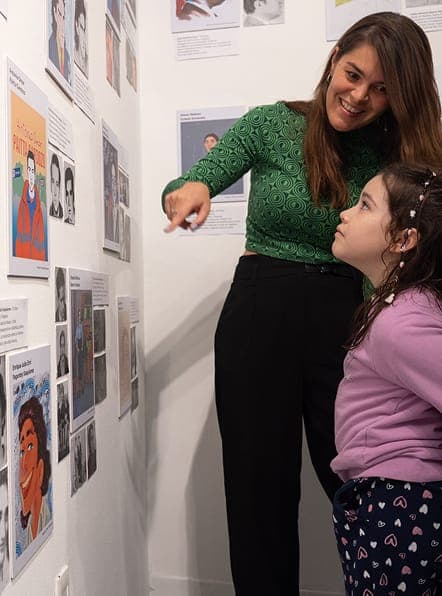
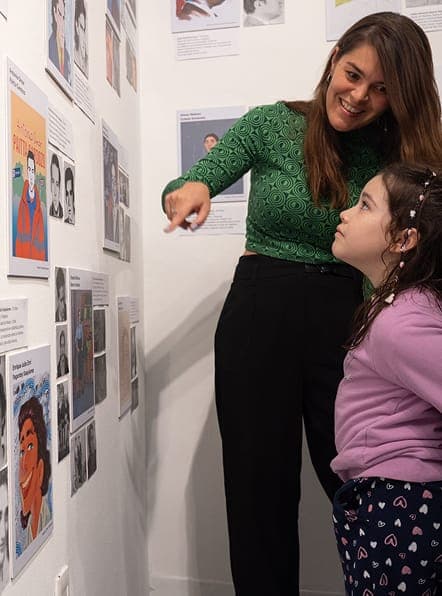
Before even considering writing a book, we researched. We wanted to build a project that would translate collective memory for new generations. To do so we interviewed young people, teenagers and children, listened to their doubts, questions and ideas on how to preserve memory, and realised we needed to change the language and find new forms of expression.
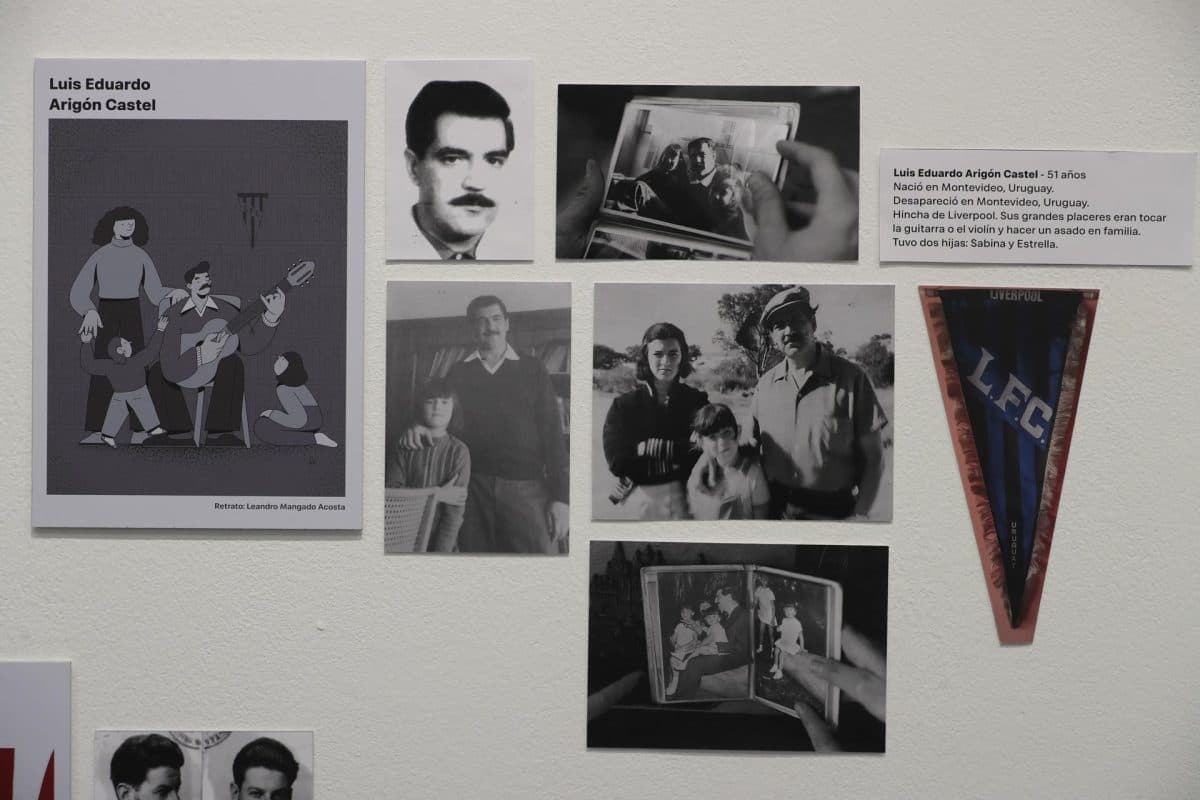
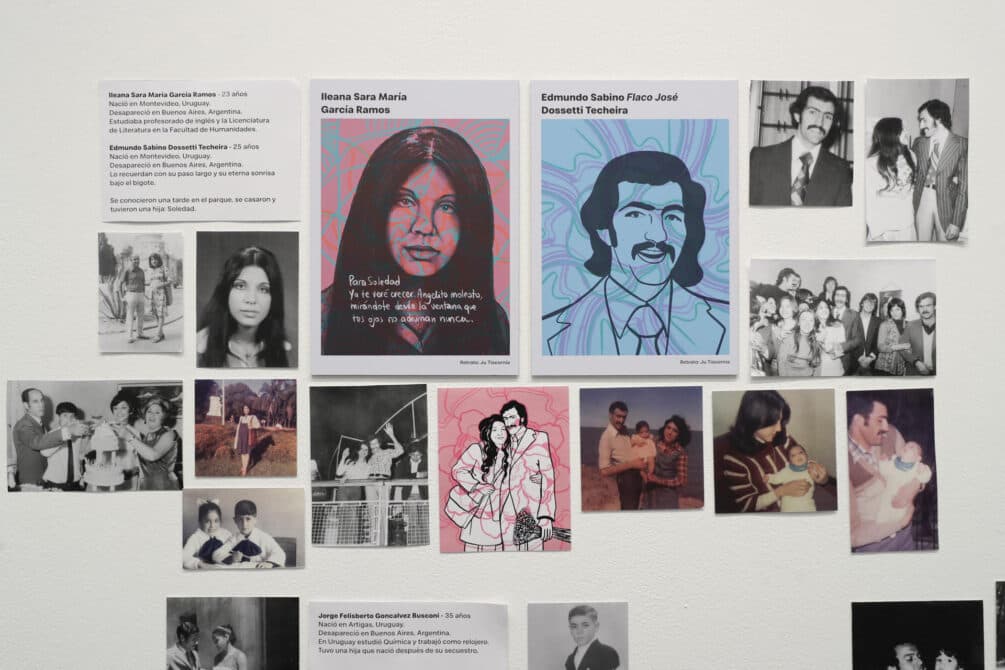
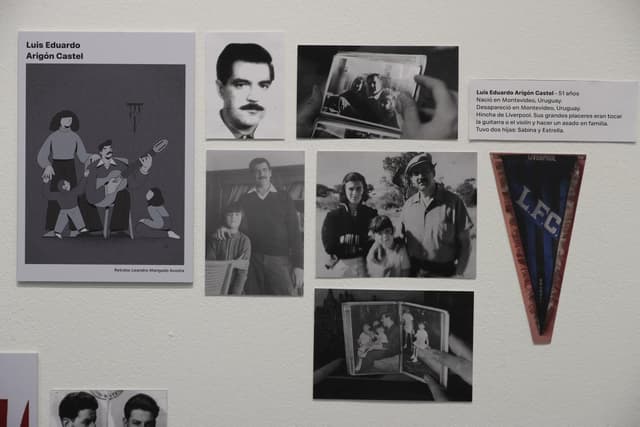
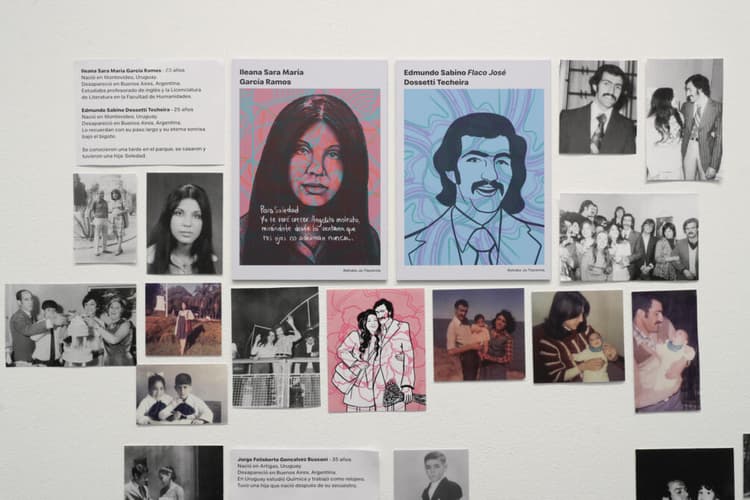
Each artist was given the task of portraying a person with whom they shared something: perhaps a neighbourhood, a hobby, or even a football team. From that, wonderful works emerged, full of feeling and colour.
Each story is inspired by real events, but told through creativity and imagination. Sometimes we found a fact in a record, or drew on testimonies from families; in other, more challenging cases, we imagined scenarios from a photograph or from a detail about what their neighbourhood or city was like at the time. The pages of this book offer a space where truth and fiction intertwine to keep memory alive.
This project would not have been possible without the collaboration of those who joined our adventure, sharing their ideas, talent, knowledge, time and support. With it we want to remember those who were taken from their families and communities, and give them a voice through their stories and through art. Each illustration and each text is a bridge between the past and the present, an attempt to capture the essence of who they were and what they meant to their loved ones. For us, this book is also a testament to how collective work can create something truly special and meaningful.